A forest monastery in north-east Thailand that was founded for English speakers. This guide is compiled from the monastery's own published information; we have not visited, and it is not a review.
Visitor reviews · Questions and answers
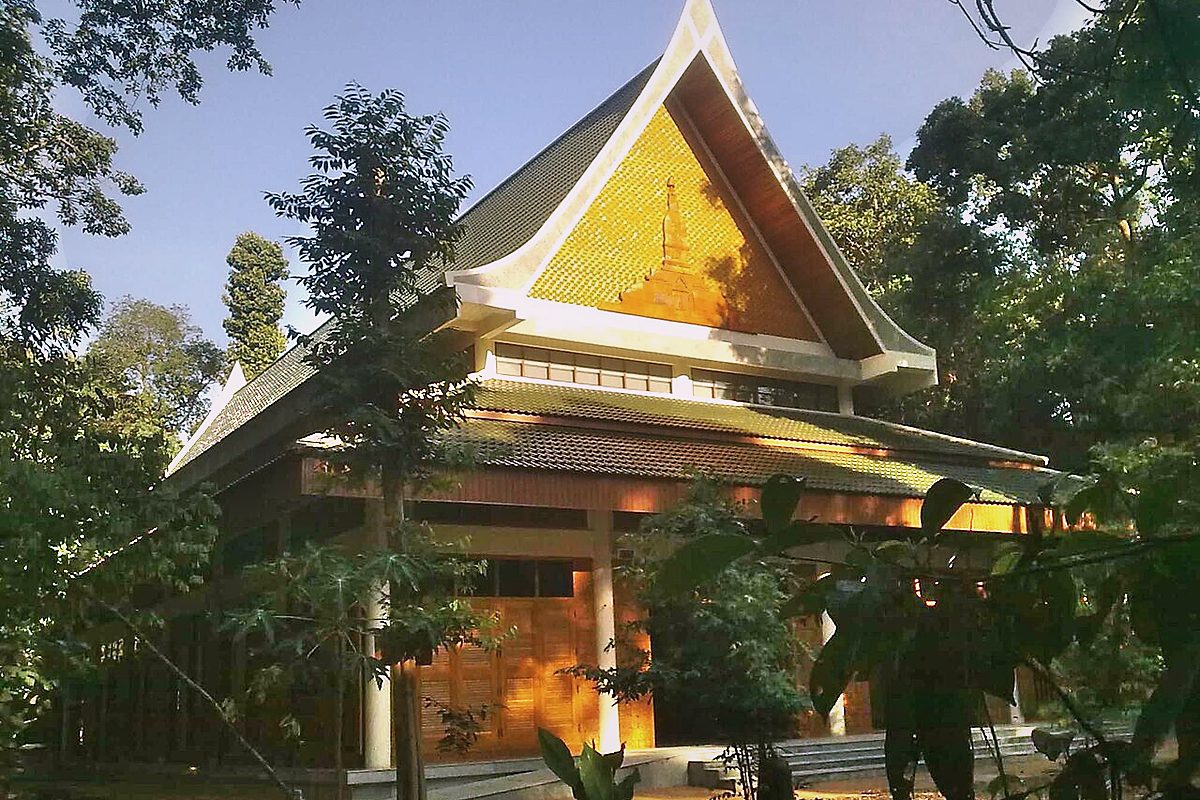

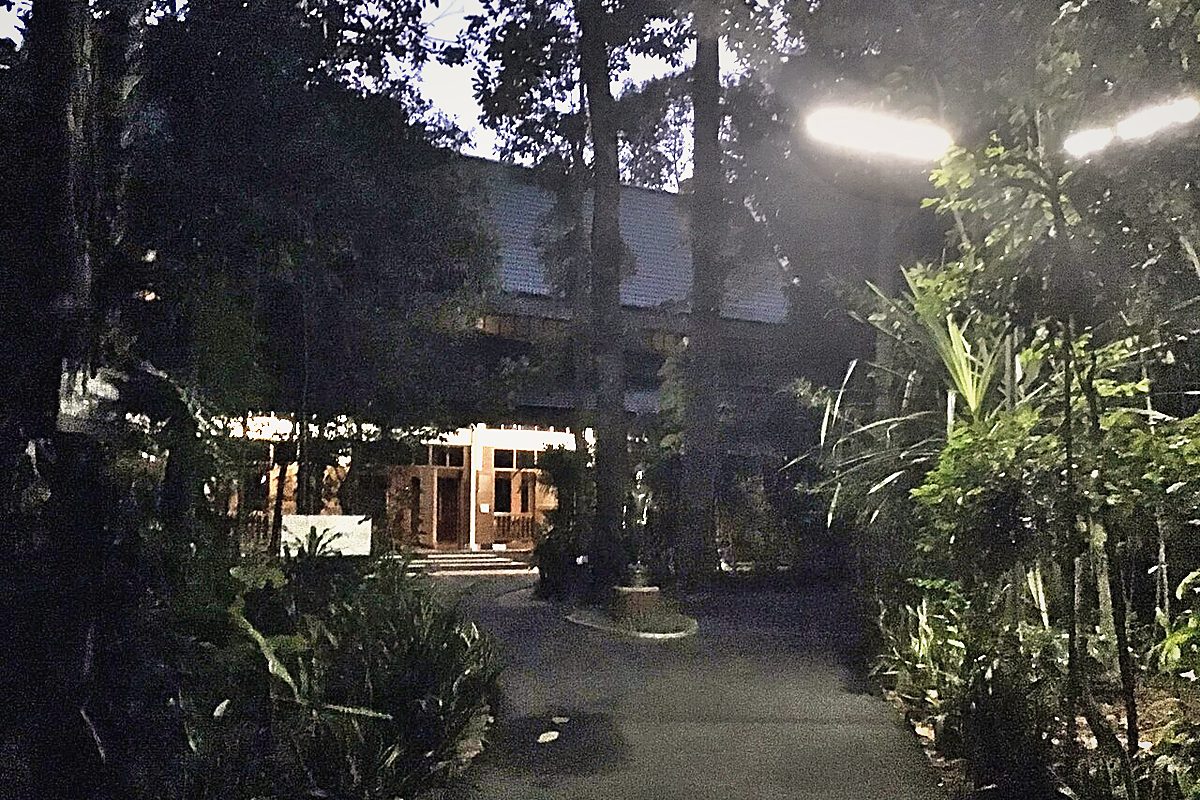

The place
Wat Pah Nanachat, "the International Forest Monastery", was established in 1975 by Ajahn Chah as a branch of his own monastery, Wat Nong Pah Pong, in Ubon Ratchathani province. An American disciple, Ajahn Sumedho, was invited to lead the community as its first abbot. It sits in a small forest about fifteen kilometres from the city of Ubon Ratchathani, in the Theravada forest tradition.
What a day looks like
The monastery publishes this routine and says it is mandatory for guests:
- 3:00 wake-up bell
- 3:30 morning meeting: chanting and meditation
- Dawn the monks go on alms round; lay guests sweep the monastery or help in the kitchen
- 8:00 the meal (one meal a day)
- 9:30 a short daily Dhamma teaching
- 15:00 chores
- 16:30 afternoon drink
- 18:15 evening meeting: chanting and meditation
The rest of the day is for private practice, sitting and walking meditation in a hut in the forest or in a meditation hall.
Who it suits
- People with some meditation experience and some exposure to Buddhist teaching. The monastery says previous experience is needed to use the time well.
- People who want to experience monastic life, not to be taught a technique. It does not offer retreats or courses in meditation.
- Anyone who can keep the community's rules and routine.
The eight precepts
Guests keep the eight precepts: the five basic precepts (no killing, stealing, sexual activity, false speech, or intoxicants) plus no eating after midday and the other two renunciation precepts. Smoking is not allowed. Read the Eight Precepts and five vs eight before you go.
Before you go
- Read how to stay at a Buddhist monastery and temple etiquette.
- Check what to wear: what to wear.
- Contact the monastery on its own site before you travel: watpahnanachat.org.
- For short courses in Thailand instead, see meditation retreats in Thailand.
Been there? Add your own review on the Wat Pah Nanachat page. More places: Explore · Thailand directory.